Going solar in Connecticut
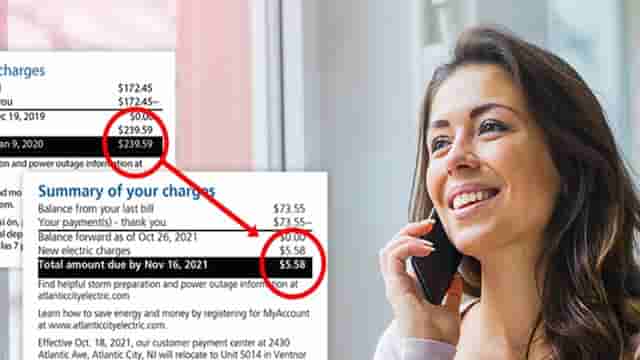
If you're a homeowner in Connecticut, going solar isn’t just about lowering your electricity bill—it’s a smart investment. Between high utility rates, generous state programs, and federal incentives, many CT homeowners are seeing payback in 5-6 years while locking in decades of savings. Whether you live in Cheshire, Hartford, New Haven, or somewhere in between, here’s what you need to know before you make the switch.

Why go solar in Connecticut?
Connecticut has among the highest residential electricity rates in the U.S., making every hour of sun more valuable. Solar panels protect against rising utility costs and can improve your home’s value. Local programs also help lower upfront costs. Homes in CT often have favorable roof orientations and structures for solar (depending on your town), and weather conditions aren’t a barrier with modern panel tech. Roof condition, shading, and orientation still matter, but most CT homes are well-suited for solar.

Incentives, tax credits & netting / Buy-All Programs
The Residential Renewable Energy Solutions (RRES) program is CT’s main solar incentive, replacing the old net metering and rebate programs. It gives homeowners two options:
- Buy-All Tariff: You export all energy your system produces to the grid and receive a fixed payment for it.
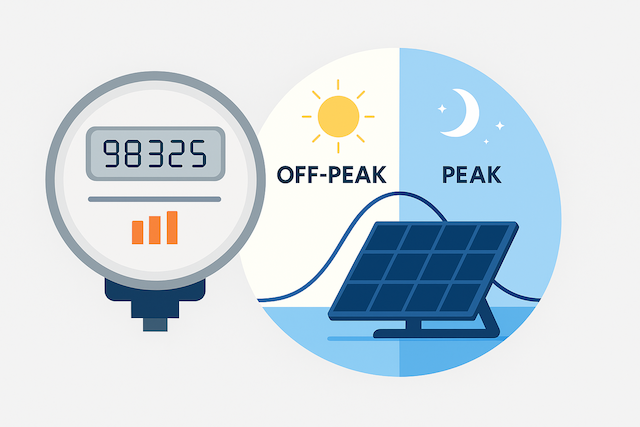
- Netting Tariff: You use your solar energy first, and any excess gets credited on your bill—similar to traditional net metering.
Other incentives include:
- Federal Investment Tax Credit (ITC): Get 30% off your system cost when you file taxes, available through 2025.
- CT Sales & Property Tax Exemptions: Solar systems are exempt from the 6.35% state sales tax, and your home value increase from solar isn’t taxed.

Typical costs & what you’ll pay
On average, solar installations in CT cost about $2.80–$3.00 per watt installed. A 5 kW system typically costs around $11,800 to $16,000 before incentives. After applying the 30% federal tax credit and state programs, the out-of-pocket cost drops significantly.
Larger systems (around 9–11 kW) that offset most of a home’s energy use can cost roughly $30,900 before incentives. After the ITC, the amount decreases substantially, and most CT homeowners reach payback in 5–6 years.

Connecticut homes, roof types & what to check
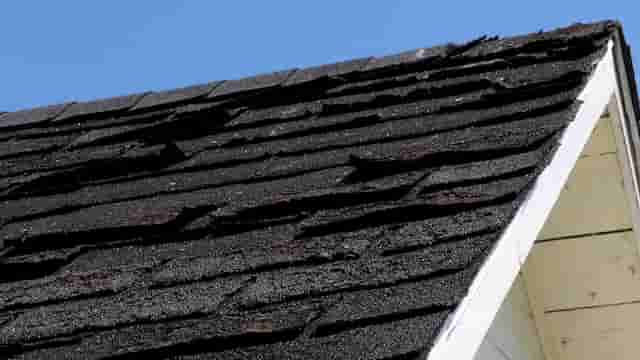
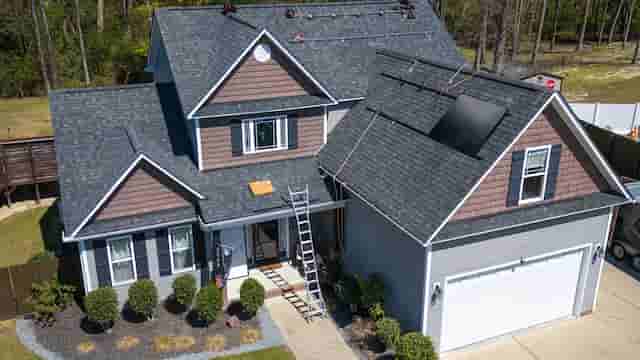
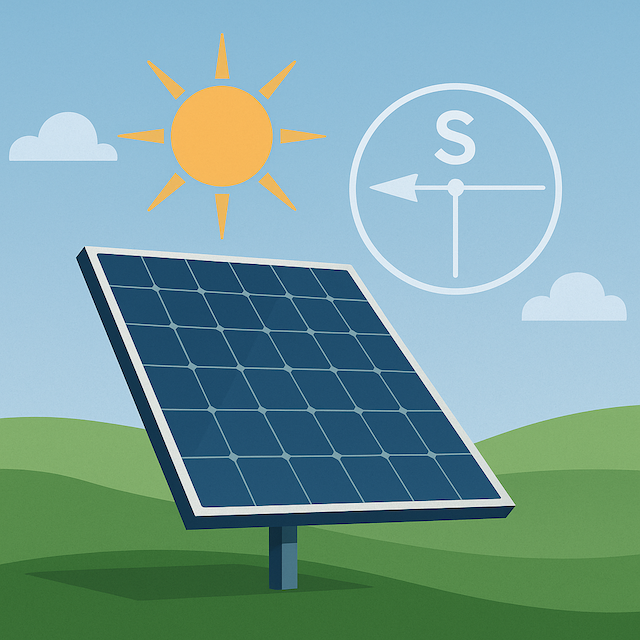
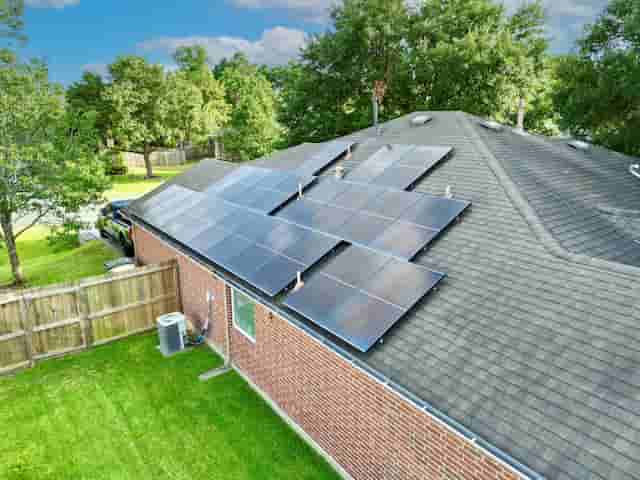
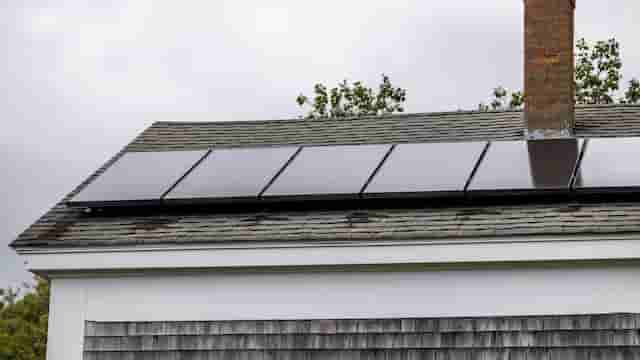
Roof orientation, angle, and shade are big factors. Roofs facing south, southeast, or southwest perform best. Shading from trees or nearby buildings can reduce efficiency. Roof age also matters—if your roof is near the end of its lifespan (20–25 years), consider replacing or reinforcing it before going solar.
Permitting and interconnection timelines vary by town. For example, Cheshire has its own local procedures. (Once the Cheshire spoke page is live, we’ll link to it here.)

Why choose Trinity Solar in Connecticut
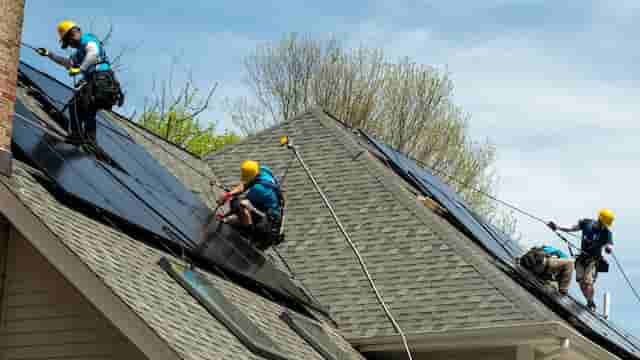
- Local experience: We’ve worked with CT permitting offices, understand the RRES program, and have crews familiar with CT weather and roofing.
- Transparent pricing: Our quotes include system details, energy output projections, payback timelines, and incentive breakdowns.
- Warranty & service: We provide warranties for panels, inverters, and workmanship, plus post-installation monitoring and support.

Cities we serve
We’re proud to serve homeowners across Connecticut, including:

Learn more & FAQ
Want to dig deeper? Check out these helpful articles:
Going solar in Connecticut makes sense now. With incentives running out soon—especially the federal ITC after 2025—there’s never been a better time to go solar. If you’ve been considering solar, talk with a Trinity Solar Expert to see your potential savings and options.